What I Learned When Our Hackathon Project Fell Apart
Not every project is portfolio-perfect. This hackathon was messy, chaotic, and full of surprises, and I’m proud of what it taught me about resilience and leadership.
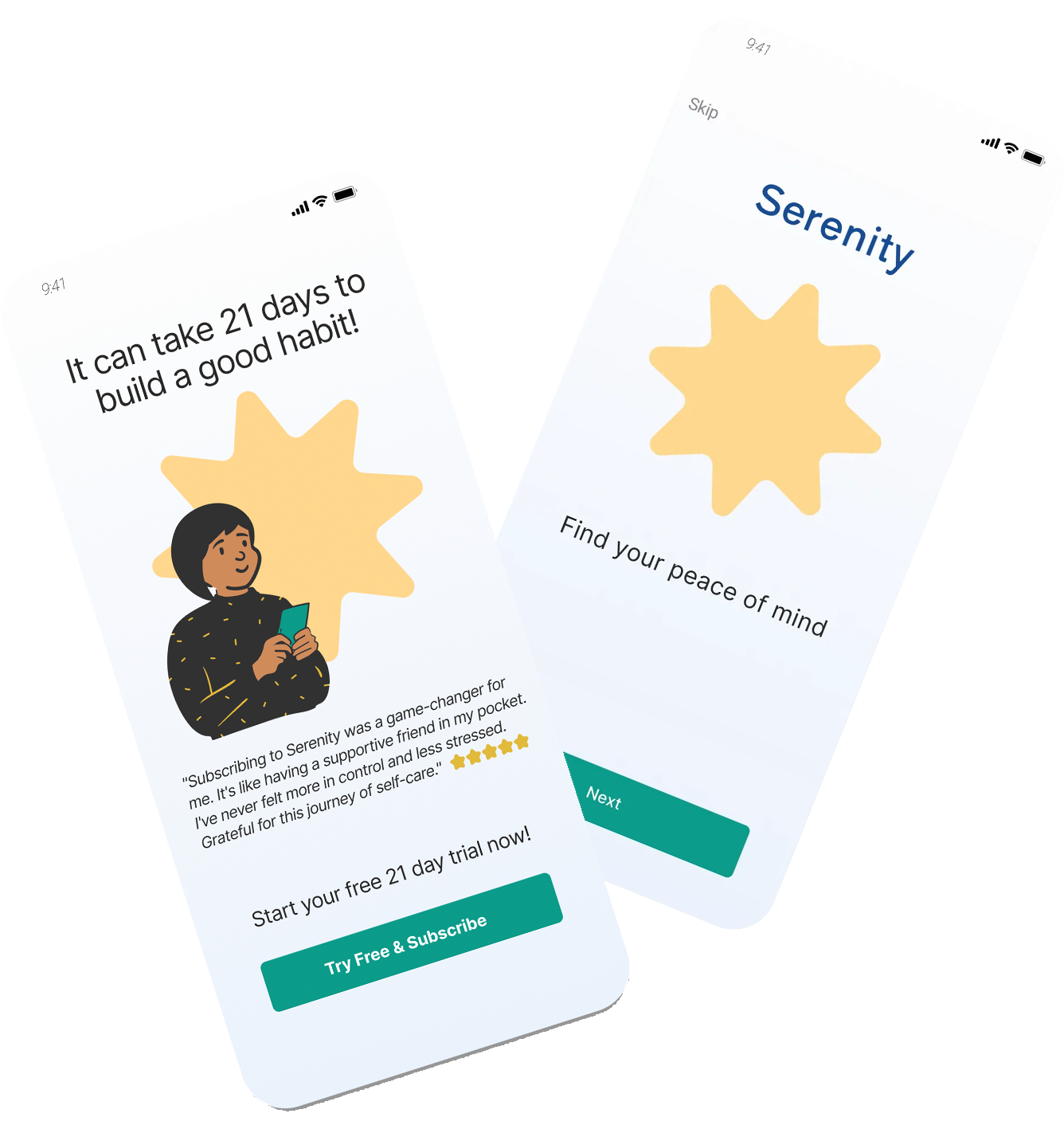
48 Hour Hackathon - Leading Through Uncertaintity
I joined a 48-hour hackathon with a distributed team I had never worked with before. From the beginning, we faced significant challenges, technical platform issues, conflicting expectations, and varying skill levels. Tasks were delayed, collaboration was inconsistent, and several participants disengaged or left entirely. By the final stretch, only three of us remained working toward a deliverable.
Role: UX Designer & Team Leader
Duration: 48 hours
Team: 8 participants, multiple time zones
Challenge: Design a mental health app in a high-pressure, remote hackathon environment
Overview/TL;DR
I led a multi-timezone high-pressure hackathon team through extreme uncertainty, using structure, clarity, and adaptability to deliver a cohesive MVP presentation despite losing most of the team in the 48 hour span of the challenge.
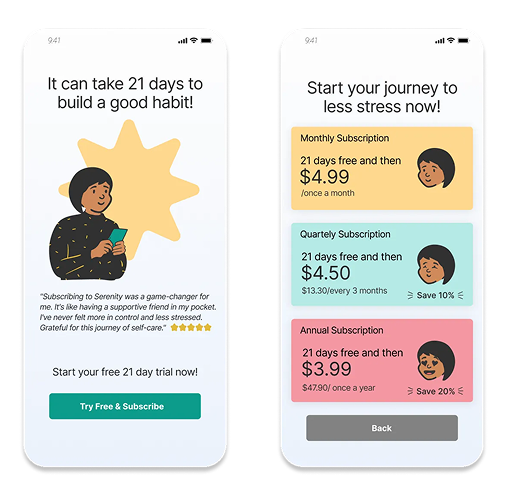
The Challenge - Create an AI Therapist App.
To stabilize the uncertainty and create forward momentum, I focused on clarity, structure, and achievable scope.
Create Structure
Set up Discord for communication, FigJam for planning, and pin key tasks.
Prioritize MVP
Define the minimum viable product features and focuse the team on achievable goals.
Create Structure
Run quick check-ins to clarify responsibilities and progress.
Fill Gaps
Take on critical tasks, including prototype elements, when others can’t complete them.

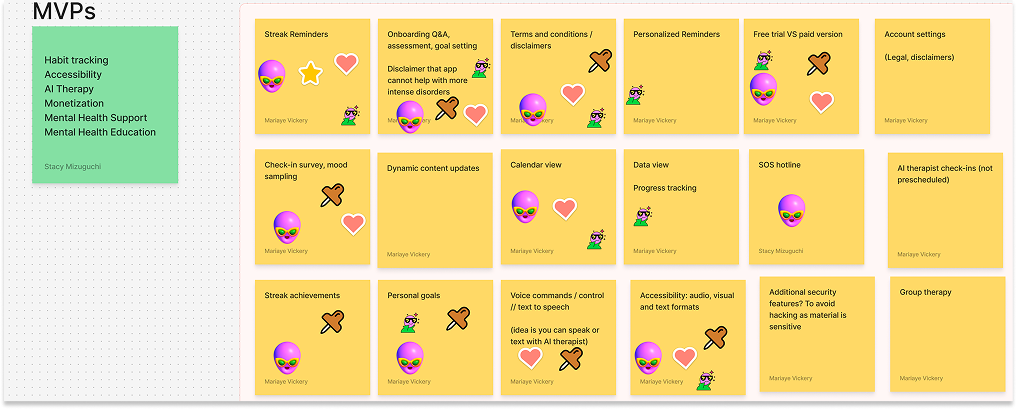
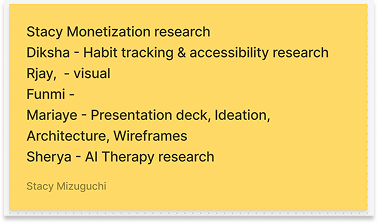
As we applied structure, our team made progress, confusion decreased, tasks were reassigned realistically, and the MVP became clearer.
However, at this point, we were losing members, teammates were forgetting about the MVPs and working on their own things.

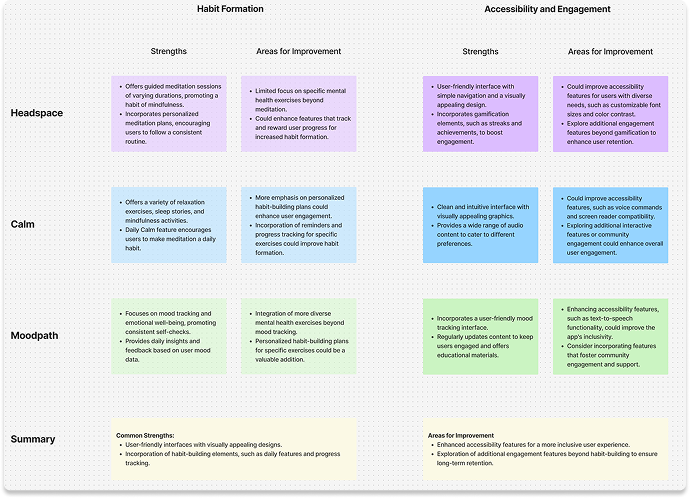

The final result wasn’t what we initially imagined, but it represented resilience, adaptability, and collaborative effort under highly constrained circumstances.
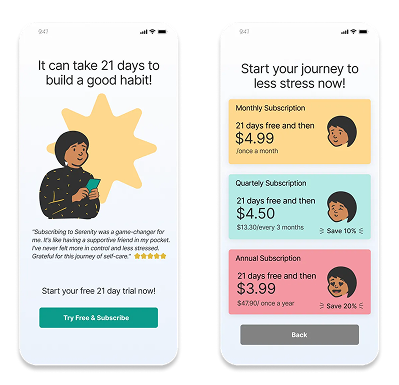
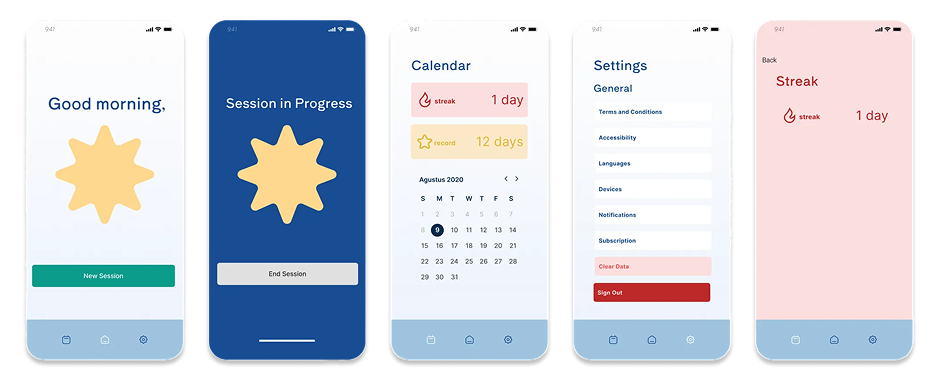
Although we didn’t produce a polished final prototype, we delivered a clear presentation outlining:
Our problem framing and target audience
MVP user flow and core features
The design vision and reasoning behind decisions



Team composition matters!
Prioritize time-zone overlap or pre-existing collaborators when speed is essential.
Define leadership & decision rules immediately.
Who decides, how decisions are made (votes vs. leader call), and what happens if someone is absent.
Step back regularly.
It’s easy to hyperfocus on details so schedule a 30-minute overview each 12 hours to ensure cohesion.
Set a ‘definition of done’ for each task.
Shared understanding prevents rework and power struggles over ownership.
Be militant about scope control.
With only 48 hours the MVP must be well defined and un-movable; avoid feature creep, especially “flashy” features that don’t match judging criteria.
Communicate proactively with absent members.
A quick personal ping often prevents misunderstandings and the shock when a task is reassigned
Use mentors more often.
Frequent mentor checks can validate direction early and reduce wasted effort.
This hackathon was intense, imperfect, and incredibly valuable.
While the product did not reach full completion, the experience sharpened my ability to lead through ambiguity, stay calm under pressure, and guide a struggling team toward clarity and focus.
These lessons continue to shape how I collaborate, facilitate, and design today.

Check out my next Case Study:
Visual Highlights
Things I would like to share that don’t fit into any case studies