Japan VPN Comparison – a Simple Ask into a Full UX Redesign

Advocating for a more holistic solution led us to redesign the full experience instead of making isolated tweaks.

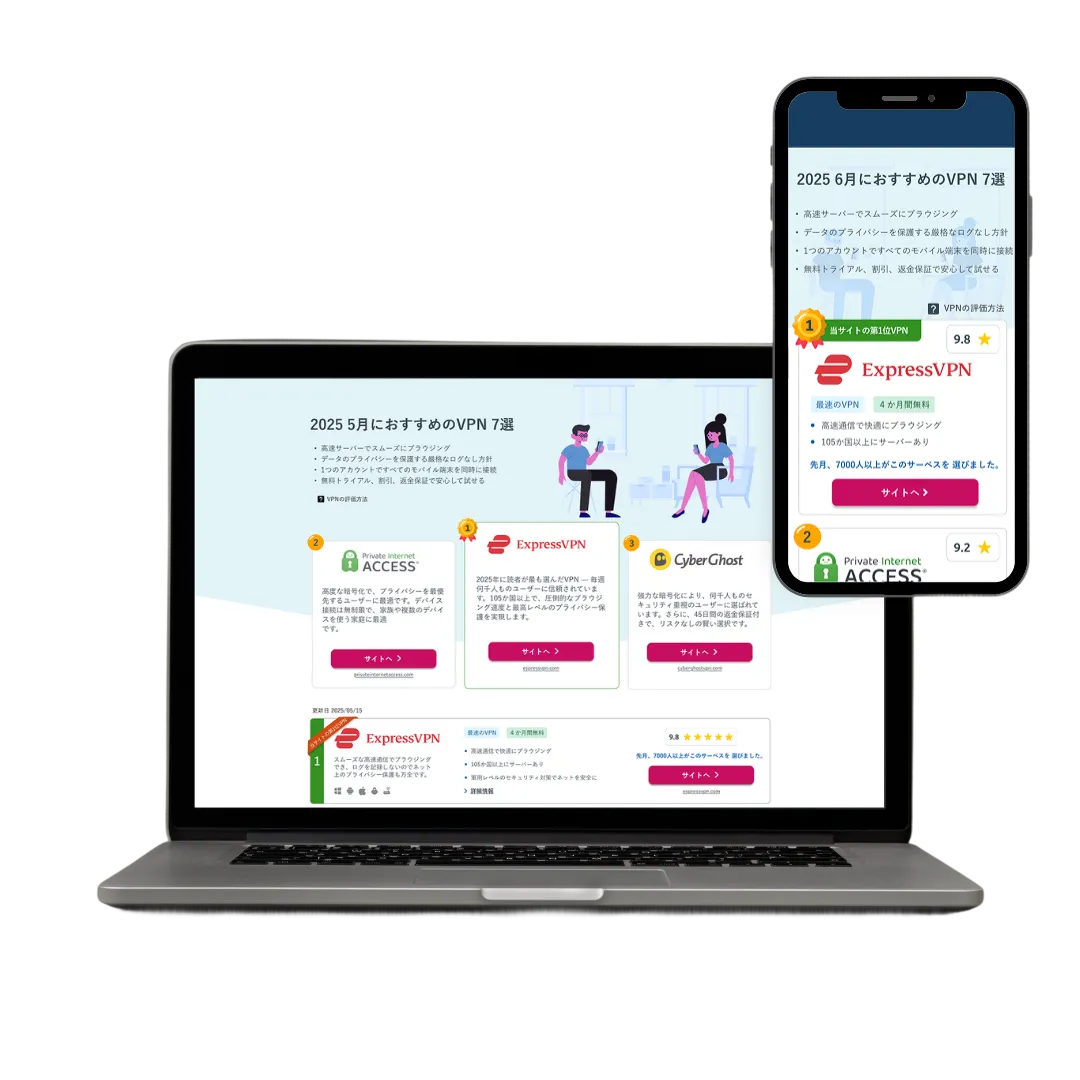
Redesigning a comparison website for the Japanese Market

Context & Problem Space

The previous design felt static and lacked clarity, trust signals, and localized relevance, making it difficult for users to confidently compare VPN services. Small tweaks weren’t enough to address the core experience issues, revealing the need for a full redesign.


Role: UX/UI Designer

Duration: 6 weeks

Goal: Improve visual engagement and trust for Japanese users


Outcome: Full redesign that expanded beyond Japan and influenced the American version

Key Contributions: Research, concept development, advocating for expanded scope, UI                                      redesign, stakeholder communication

Overview/TL;DR

I transformed a small request for minor visual tweaks on the Japan VPN ranking page into a full UX redesign by leveraging research, competitive analysis, and stakeholder alignment to advocate for a more impactful solution.

-
Expanded scope from small UI changes to a full redesign through evidence-based reasoning
-
Introduced social proof, stronger hierarchy, and an engaging animated hero to build trust
-
Collaborated closely with PM and design leadership to align on direction
-
Redesign success lead to a request to apply the same approach to the English version of the site.

The Original Request

The Project Manager initially requested small visual changes to the existing page:

“We’re not looking to completely overhaul the current layout just yet… we’re open to testing specific elements—colours, backgrounds, or anything else you think might resonate better with the Japanese market.”
I implemented some changes. 
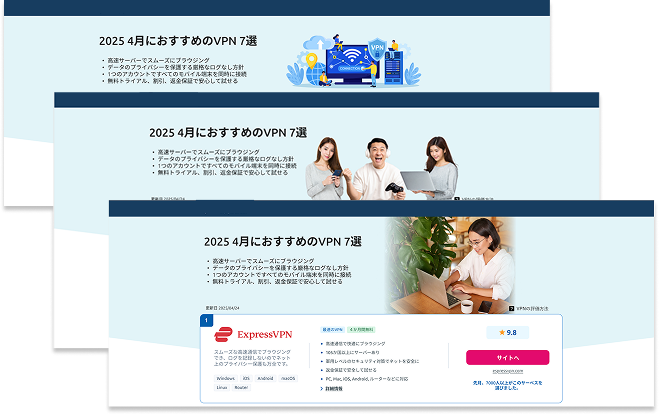
Fixed the line breaks, adjusted the CTA, tried some different header images and removed the language selection tool, but nothing really seemed to be hitting the mark.

Identifying the Opportunity - Three Points of Growth

After several design iterations and conversations with my design manager, we recognized that small adjustments alone wouldn’t meaningfully improve clarity or trust, two key factors for Japanese users.

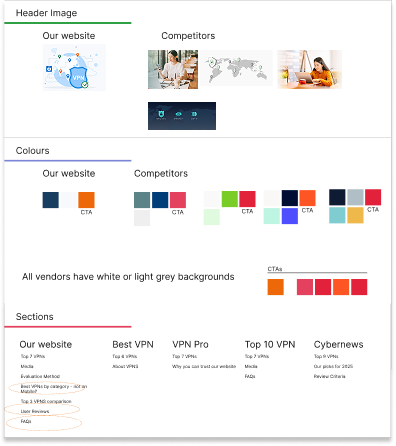
We decided the next step would be to conduct a competitor analysis to discover what else is available for users to compare VPNs.
Through competitor analysis, our findings revealed 3 opportunities :
Increase credibility and trust through
social proof
Improve engagement with a clearer and more visually compelling hero section
Differentiate our product visually from competitors in a crowded market
This insight led us to advocate for a more holistic redesign instead of isolated tweaks.

Pushing for a Full Redesign

With research-backed reasoning, my design manager and I proposed expanding the scope to redesign the full experience for the Japanese website.


We collaborated closely with the PM to communicate why small changes wouldn’t address core usability and engagement challenges.

While initially hesitant, the PM and management team supported the direction after hearing the new concept and seeing its potential.

The Redesign

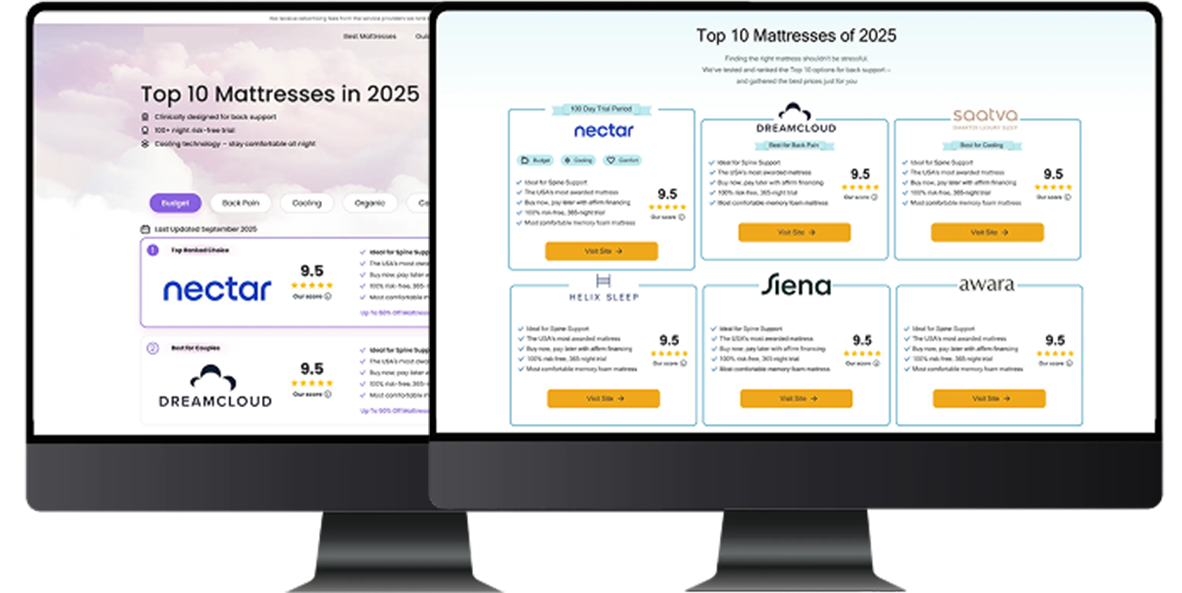
Despite not being able to make all the changes we wanted, due to company limitations and functionality restrictions, we were able to produce a design that better meets the needs of the user and the company.
Through competitor analysis, our findings revealed 3 opportunities :
A more engaging animated hero header to guide users into the ranking section
Stronger visual hierarchy and improved scannability
Addition of social proof elements to build trust
This insight led us to advocate for a more holistic redesign instead of isolated tweaks.

Unexpected Outcome

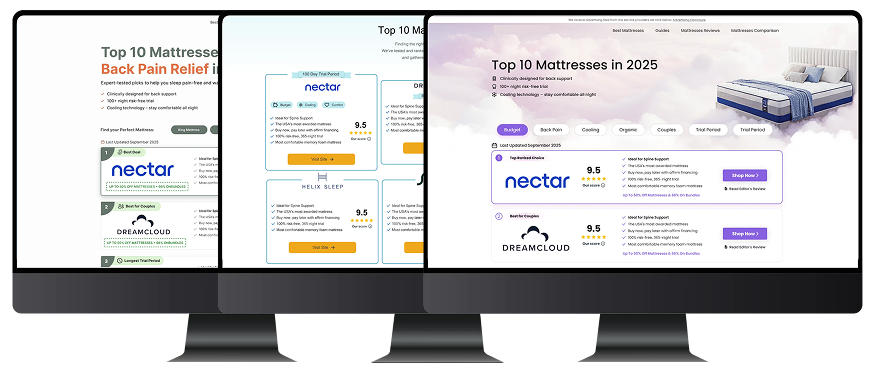
The redesign was very well-received internally. The positive response led leadership to request:

“Can we redesign the English version in the
same style?”

What began as a small UI test became a brand-wide shift in visual direction, helping broaden what design could influence within tight organizational constraints

Reflection

This project taught me:

The value of advocating for user needs even when initial scope is limited
How to use research to drive decision-making and gain stakeholder support
How to collaborate effectively and push beyond expected outcomes
The biggest impact can come from asking for more than what was requested